Anurognathus
An-yu-roe-nath-us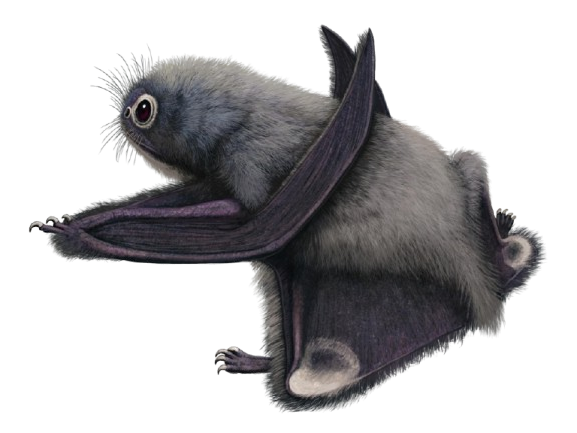
Name meaning: Ammon's tailless jaw
Time Period: Tithonian (End of the Jurassic) 150-148 mya
Locations: Germany-Solnhofen Limestone Formation
Taxonomy: Pterosauria-Rhamphorhynchoidea-Anurognathidae
Subspecies: A. ammoni
Characteristics ~ ~ ~ ~
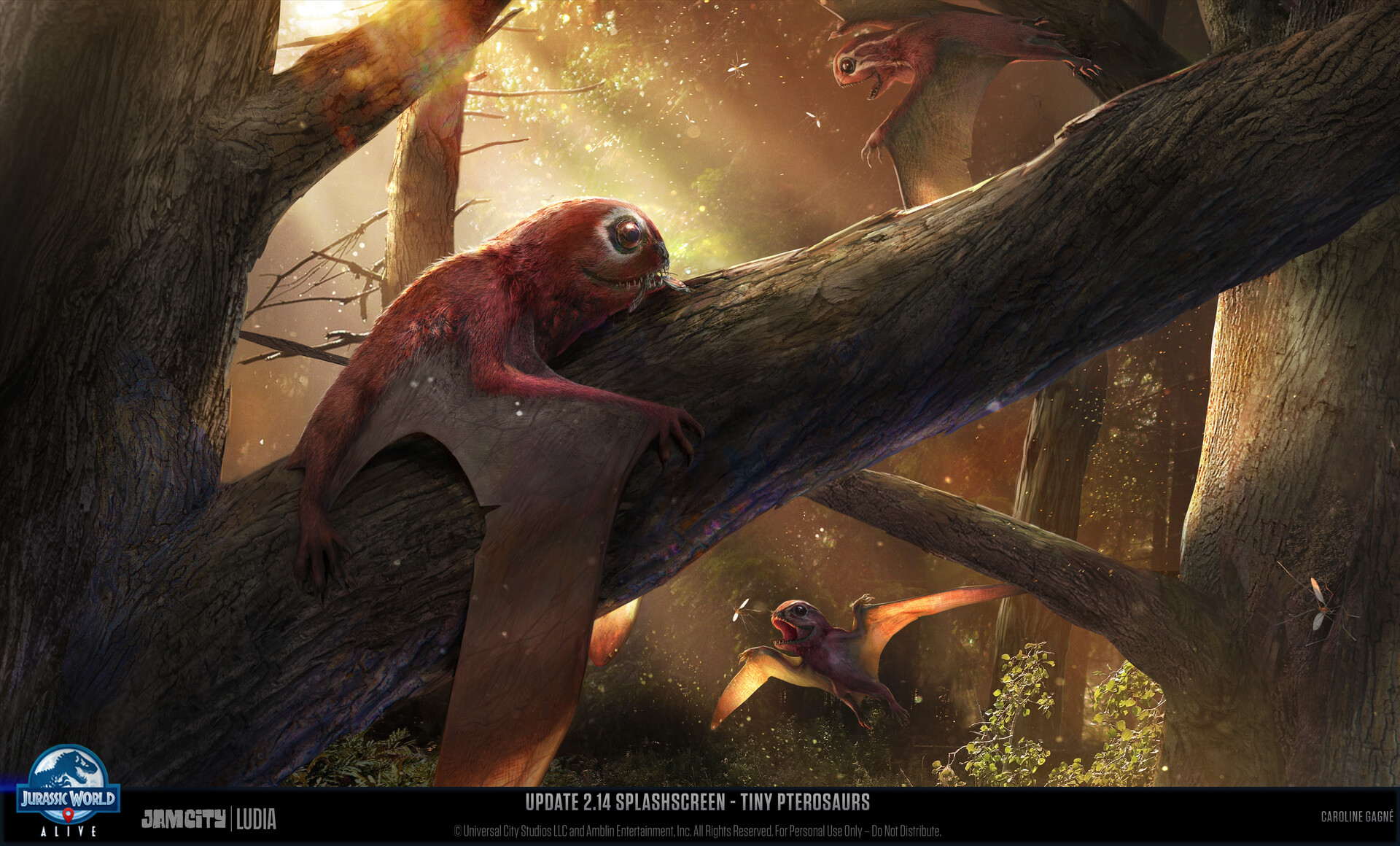
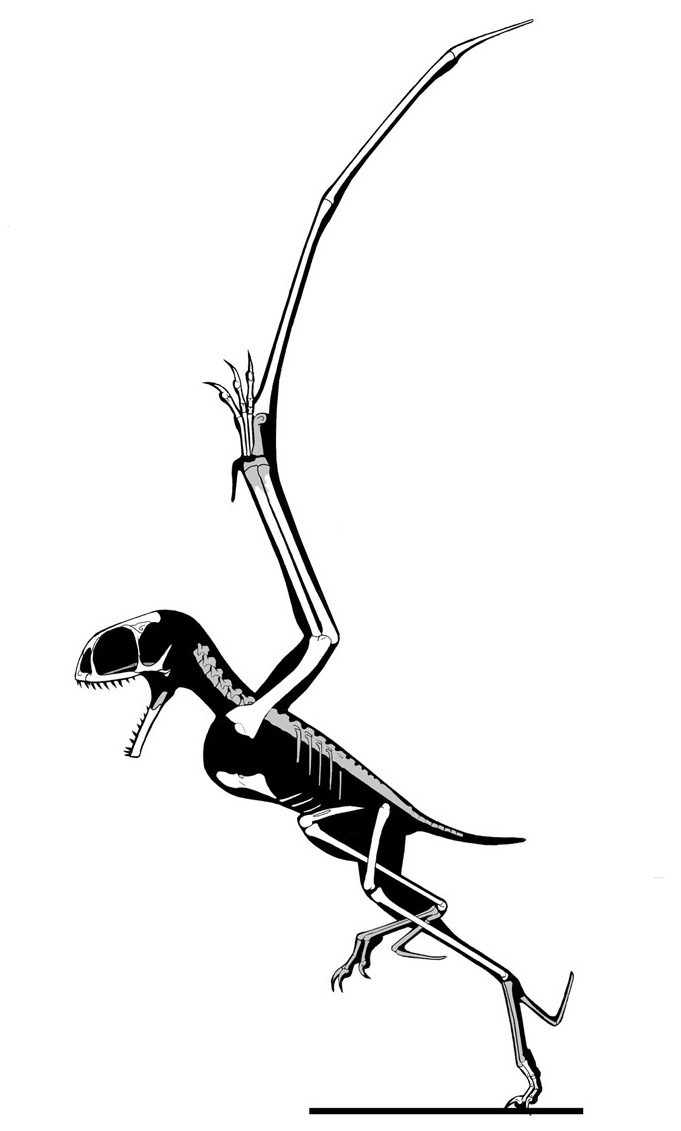
Anurognathus is the head of the anurognathid family, consisting of small pterosaurs that convergently share many traits with bats, like rounded heads and large eyes. Anurognathus was very small, being 3.5 inches long and having a wingspan of 14 inches and only weighing 40 grams. Like a mammal, it was covered in pycnofibres, a fuzz-like hair covering its body like fur that helped it keep warm and remain silent whilst moving. Also, like a mammal, it had bumps around the skull indicating it had whiskers to help with navigation and keep insects out of it’s eyes; its large eyes indicate it was more active during the later hours, like an owl, but it had no sonar adaptation, so it probably was crepuscular or active during the dawn and dusk. Its diet probably consisted of dragonflies, moths, and other insects it could catch with its small, needle-like teeth. Anurognathus faced competition from early birds like Archaeopteryx from the same formation that caused anurognathids to go extinct by the start of the Cretaceous period. They were better adapted as they could fly more efficiently and were had feathered wings which couldn't rip like a membrane. Their beaks were more more practical and their voices were more dynamic allowing them to create songs for mating. These are some of the reasons Anurognathus and otehr small pterosaurus lost their dominance over the skies.


History & Fossils ~ ~ ~ ~
Anurognathus was discovered in 1922; its holotype fossil: BSP 1922.I.42 was found in a sprawled out position, flattned. The position it’s in, hugging its arms in close, suggests it was hiding on the side of a tree to evade predators. In 1937, Anurognathidae was classified as it’s own pterosaur genus, diverging from Rhamphorhynchidae, which may have been the group's main predators.


Media Deptictions ~ ~ ~ ~

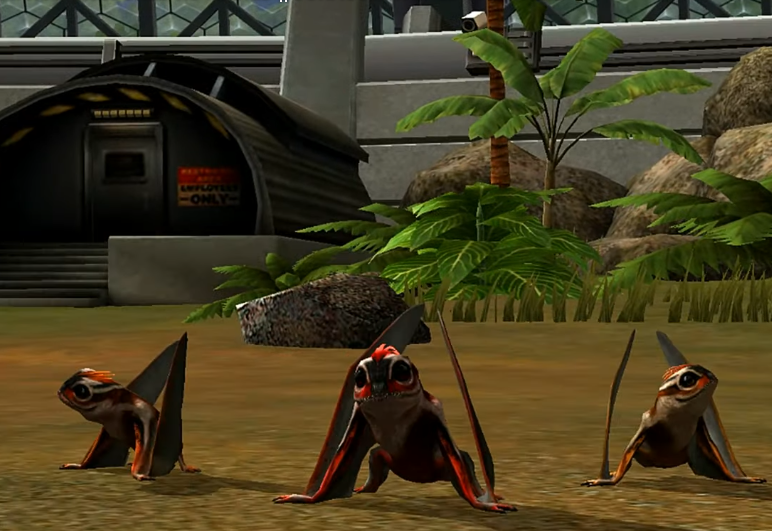
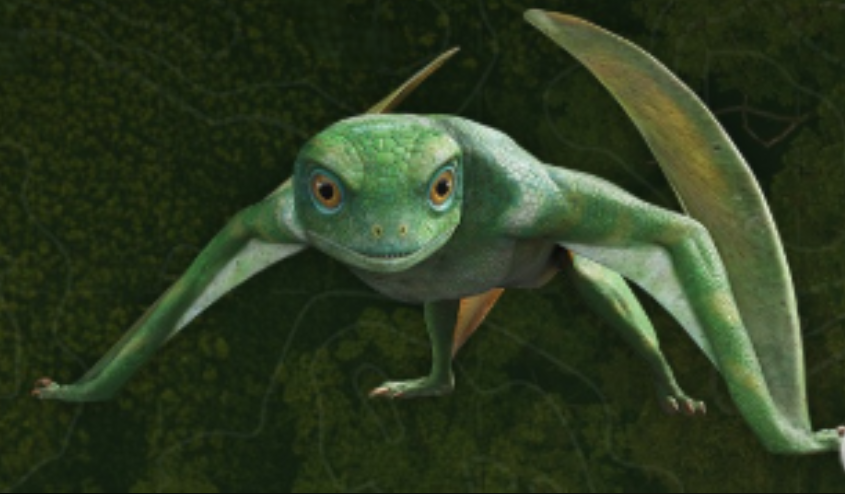
Jurassic Franchise Anurognathus was the first flock pterosaur added to the game. It can reach incredibly high speeds and crit rates. However, it has very little attack and health, getting oneshot by most creatures with a group attack and walled by creatures with high armor and shields. The bright red fur really suits them and I like the shrieking noise they make, it sounds very bizarre. Anurognathus was later directly ported to Jurassic World the Game as a Vip Legendary the patterns are nice. Anurognathus made a small film appearence in Jurassic World Rebirth intrestingly having scaly skin which is unlike any anurognathid restoration i've seen before.