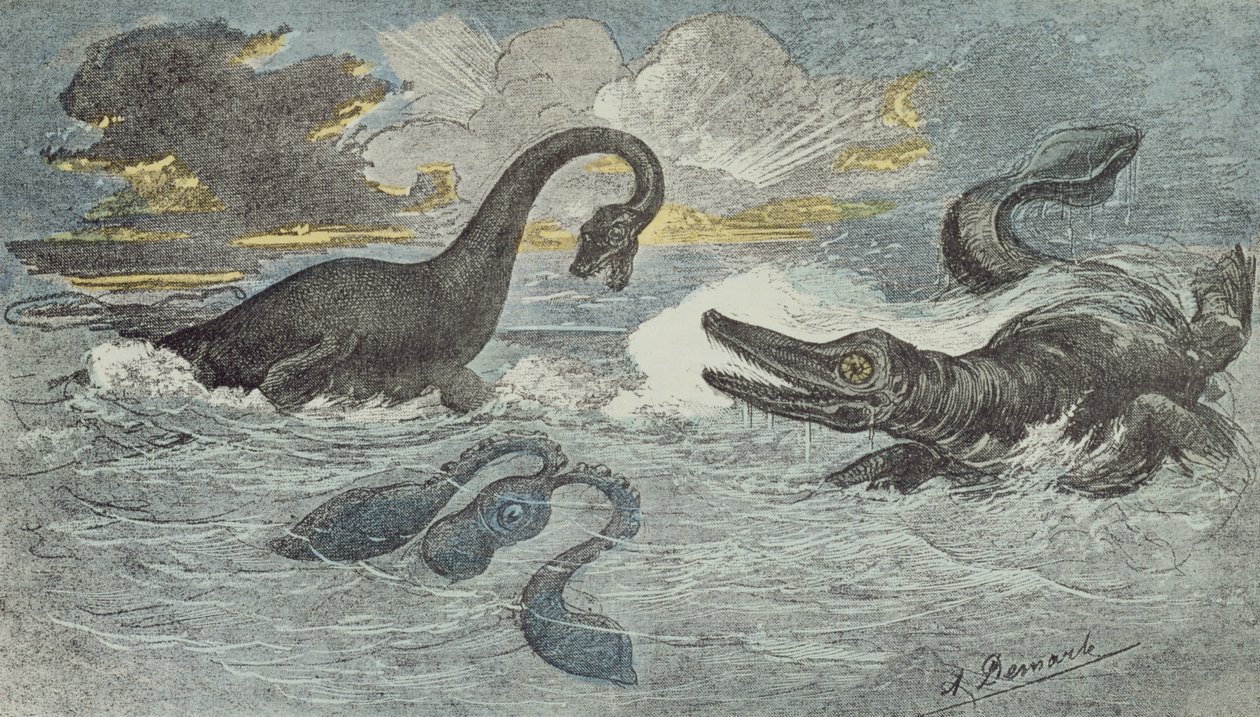
Plesiosaurus
Pleh-see-oh-sore-us
Name meaning: Almost Lizard
Time Period: Late Rhaetian of the Triassic through to Sinemurian (Late Triassic Early Jurassic)
Locations: England-Lias Group
Taxonomy: Sauropterygia-Plesiosauria-Plesiosauroidea-Plesiosauridae
Subspecies: P. dolichodeirus
Characteristics ~ ~ ~ ~
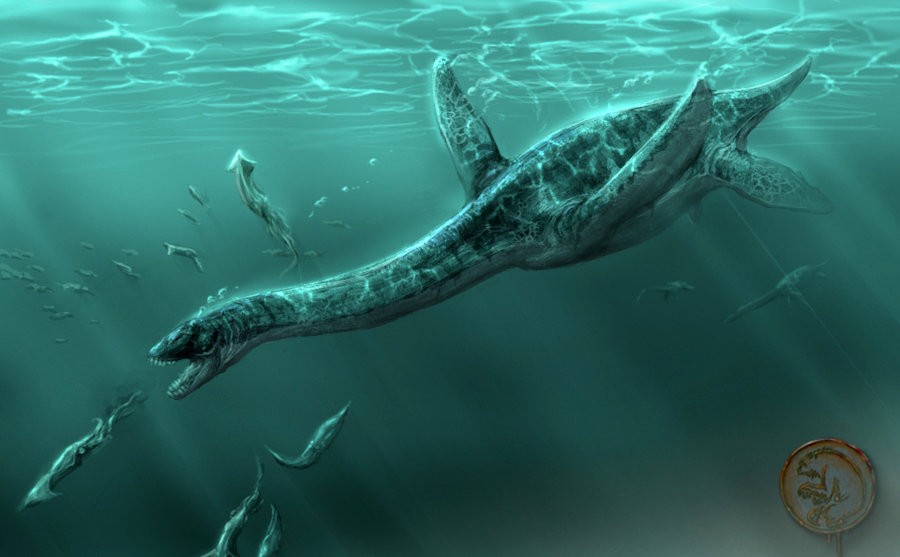
Plesiosaurus is the eponymous genus to the family plesiosauria and is likewise the most well known plesiosaurid because of name recognition. Plesiosaurus grew to around 11 ft long with it's neck taking up half it's body length overall it's one of the smallest members of the family. Plesiosaurus had 40 cervical (neck) vertebrae, for reference all mammals (except for 3) have 7. This made Plesiosaurus' neck incredibly flexible, helping it accurately snatch fish. It caught them with long thin conical teeth, Plesiosaurus likely did not have complete lips so they may have jutted outwards from its mouth. Plesiosaurs were reptiles and likewise needed air to breathe and laid eggs, however Plesiosaurus is viviparous meaning it gave live birth in the water by storing its eggs within it, similar to Itchyosaurus.

History & Fossils ~ ~ ~ ~
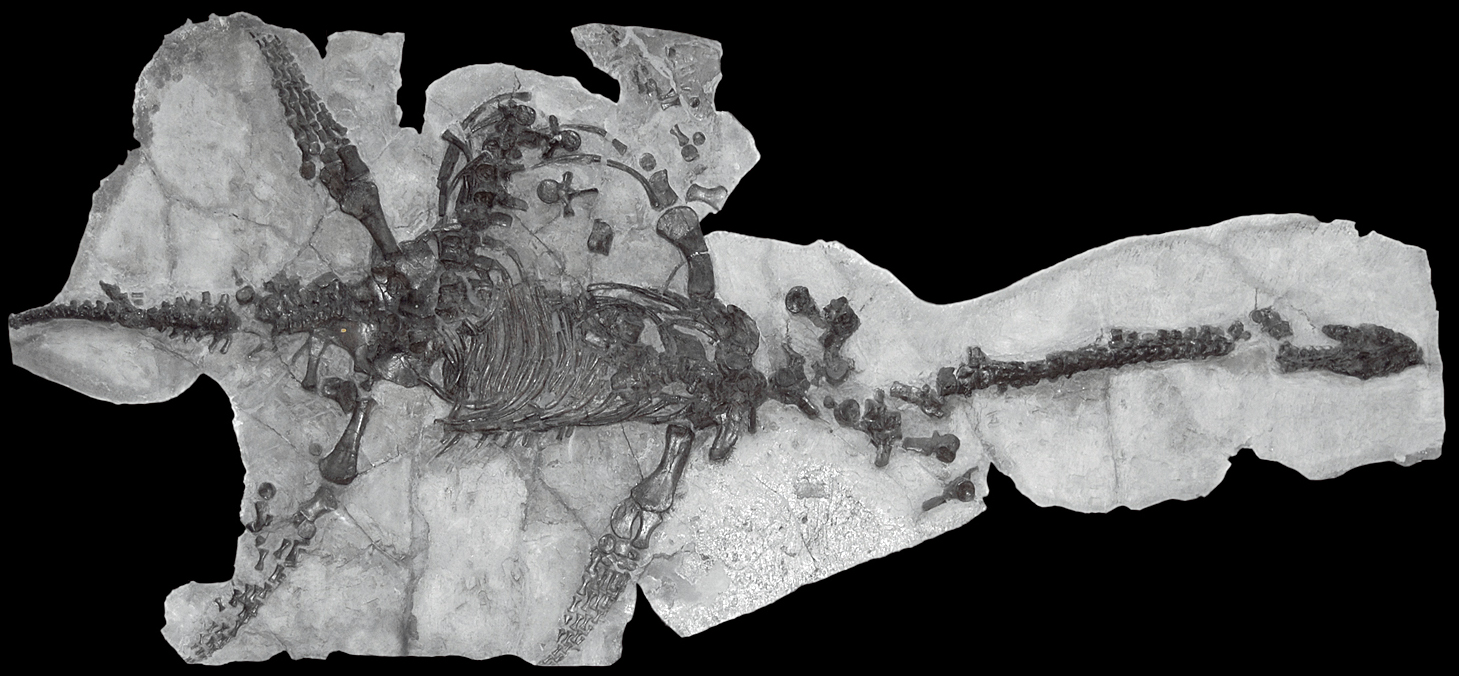
Henry De la Beche and William Conybeare were the first to find Plesiosaurus material and assign it to an unknown genus in 1821 However the holotype is usually credited to Mary Anning's NHMUK PV from 1823, mostly because it is more complete even though it should be considered the Neotype. P. dolichoderius would be properly named in 1824.